GTA VI’s optional character missions are easy to misread as one-off encounters. Some lead into a sequence that spans multiple chapters; others have a narrow availability window. If you are planning side content around the main story, track the character, playable protagonist, and any stated time condition rather than assuming every marker will remain available.
“Strangers & Freaks” is not merely an informal fan label: the released game uses that wording for a trophy. It is still not a reliable name for every optional activity. Guides group character-led strands under the label, while the game also presents other optional missions and free-roam events. Keep those categories separate when tracking completion.
Confirmed character strands and starting points
The examples below are reported in launch-period walkthroughs and may help players plan their activities while managing GTA 6 Money. Chapter references indicate when a strand becomes available, not a guaranteed order for completing every part. Exact conditions should be checked against the in-game marker and objective text, particularly where guides disagree.
| Character | Reported first availability | First lead | What to watch for |
| Kirk | Chapter 1 | A Skunk Ape flyer leads into the search | The strand continues beyond its opening chapter; some reports describe a night condition |
| Kyle McKittrick | Chapter 2 | A pilot-job notice points to McKittrick Farm | Follow-up work may appear after time or story progress |
| Yago | Chapter 3 | Meet the street racer in Vice City | A race is reported as time-sensitive |
| Pilot Pete | Chapter 4 | Start “The Last Mile: Passing the Torch” | The strand is reported as Jason-only |
These are a small set of character-led examples, not a replacement checklist for every optional mission. Launch guides identify Kirk, Kyle, Yago, and Pilot Pete among the strands associated with the trophy, but completion requirements and some individual conditions should be checked in-game rather than inferred from a third-party list.
Kirk: an early lead with a later continuation
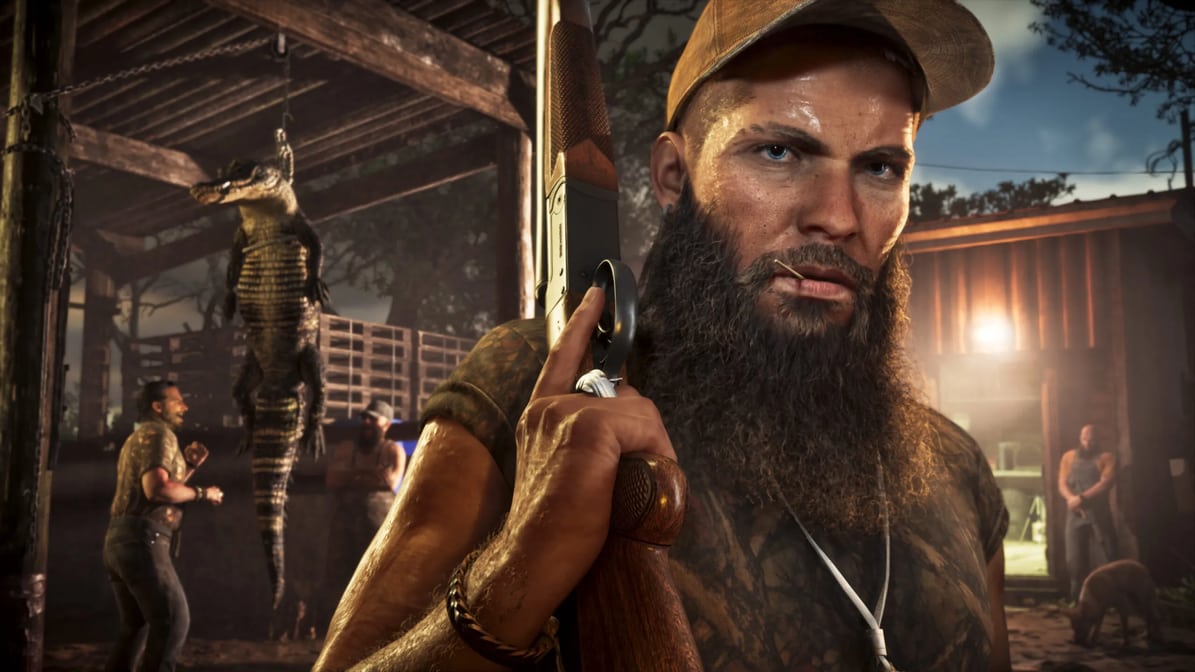
Kirk’s strand begins with a flyer connected to a Skunk Ape search. The first encounter can appear early, but the storyline does not necessarily finish in the same chapter. If the next mission does not appear, check the map and messages after progressing elsewhere; reports describe the chain continuing into a later chapter. Some walkthroughs also flag a night-time requirement for parts of the search, so returning at a different time is more useful than repeatedly checking the same spot under unchanged conditions.
Kyle: follow the farm lead, then allow the story to advance
Kyle McKittrick’s strand is tied to a pilot-job notice and McKittrick Farm. The notice is the lead, while the farm is the place to investigate once the activity becomes available. Its later parts may not unlock immediately after the first job. Continue other activities, then check for a new marker or message. This is a better test than treating a quiet interval as proof that the strand has ended.
Yago and Pilot Pete: timing and character restrictions
Yago’s street-racing strand starts in Vice City. Walkthroughs flag “Race Against Yago” as time-sensitive, making it a poor candidate for postponement if you are aiming to clear optional content. The warning applies to that reported activity; it does not mean every race or every stranger mission is missable.
Pilot Pete’s strand begins in Chapter 4 with “The Last Mile: Passing the Torch.” Reports describe a five-part sequence and a Jason restriction. If the activity is not available, check the current protagonist and story progress before searching the area or assuming the mission has disappeared.
How follow-up missions appear
Character strands do not always run consecutively. A completed job may be followed by a delay, a message, or a new marker after story progress. Some chains cross chapter boundaries. During that gap, check the map, read new messages, and switch to the protagonist required by the activity. If a mission lists a time condition, satisfy it before revisiting the location.
A flyer, call, or brief roadside interaction is not by itself proof of a multi-mission storyline. Look for a named objective, a repeat contact, or a follow-up marker before adding an encounter to a strand tracker. Random events can occur during free roam without connecting to a recurring character; main-story missions, by contrast, advance Jason and Lucia’s central plot.
Rewards and missable content
Do not assume every stranger strand pays the same way or counts toward the same completion target. Some character lines have their own trophy or achievement references, while other optional activities may have separate rewards. The public-facing trophy guides do not fully agree on the count and classification of all strands, so use the in-game trophy tracker as the final check rather than relying on a single broad list.
Some early errands and timed races are reported as missable, while many other strands remain available later. The practical rule is narrow: act on an explicit time-sensitive objective when it appears, and do not treat every uncompleted side mission as permanently lost. For equipment or cash preparation, searches for GTA 6 Money for sale do not change mission eligibility. Story progress, character choice, and any mission-specific condition still govern whether a strand can start.
Why a side mission may not appear
Check four things before leaving the area: the chapter, the active protagonist, the time of day if the objective specifies one, and any new messages or map markers. Then advance another activity and return. This separates a genuine availability restriction from a strand that simply has not scheduled its next contact yet.